UK
UK US
US EU
EU AUD
AUD Global


Renting vs. Buying a POS Terminal: Pros and Cons
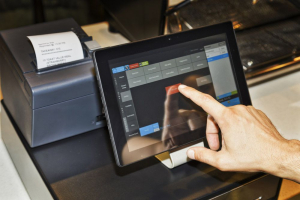
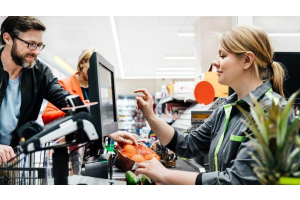
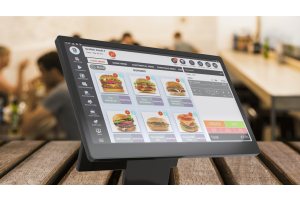
Choosing the right Point of Sale (POS) infrastructure is one of the most critical decisions business owners face. Whether you run a bustling retail shop requiring precise Avery label scales or a fast-paced hospitality venue, your checkout ecosystem dictates your operational efficiency.
A central dilemma often arises: Should you rent or buy your POS terminal?
At South West Systems, we supply cutting-edge POS systems and industry-leading Avery label scales tailored to businesses of all sizes. Below, we break down the pros and cons of renting versus buying to help you make an informed investment for your enterprise.
Understanding POS Procurement
Before diving into the comparisons, it helps to evaluate how your business operates day-to-day. Cash flow, technological evolution, and long-term expansion goals all influence whether a rental agreement or an outright purchase makes the most financial sense.
Buying a POS Terminal: The Pros and Cons
Purchasing your hardware outright gives you absolute ownership of the equipment from day one.
The Pros of Buying
-
Long-Term Cost-Effectiveness: Once paid for, the hardware is yours with no ongoing monthly rental commitments. Over several years, outright purchase can work out cheaper.
-
Asset Ownership: Owned POS terminals and scales become physical assets on your company balance sheet.
-
No Contract Lock-Ins: You have complete freedom over your hardware without being tied to a long-term rental contract.
The Cons of Buying
-
Higher Upfront Capital: Buying hardware outright—especially advanced setups featuring integrated Avery label scales and multi-terminal POS networks—requires a larger initial financial outlay.
-
Depreciation and Obsolescence: Technology evolves rapidly. Owning your equipment means you carry the depreciation risk when newer, faster models hit the market.
-
Maintenance Responsibility Post-Warranty: Once manufacturer or standard warranties expire, upgrade or repair costs fall squarely on your shoulders.
Renting a POS Terminal: The Pros and Cons
Renting or leasing POS infrastructure offers a flexible alternative that has surged in popularity among modern start-ups and scaling brands.
The Pros of Renting
-
Low Initial Outlay: Preserve your working capital. Renting requires a minimal initial deposit or low monthly installments, making high-end technology immediately accessible.
-
Easier Upgrades: Rental agreements frequently allow you to swap or upgrade your terminals to newer models as your business grows or tech standards shift.
-
Comprehensive Support Integration: Rented systems often bundle ongoing software maintenance, hardware troubleshooting, and customer service into your predictable monthly fee.
The Cons of Renting
-
Higher Total Cost Over Time: While monthly payments are manageable, the cumulative cost of renting over a long period can exceed the outright retail price of the hardware.
-
Ongoing Financial Commitment: You are locked into a recurring agreement for the duration of the contract term, which must be factored into your fixed monthly overheads.
Which Option is Right for Your Business?
-
Choose Buying if: You have solid upfront capital, prefer zero monthly overheads, and plan to use the specific hardware configuration for many years without needing immediate upgrades.
-
Choose Renting if: You want to protect cash flow, prefer predictable budgeting, require flexibility to scale your hardware up quickly, and want hassle-free access to the latest POS innovations.
Upgrade Your Business Infrastructure Today
Whether you want to buy outright or explore flexible leasing options for market-leading POS terminals and precision Avery label scales, South West Systems is here to help. Our industry experts will guide you toward the ideal setup for your retail or hospitality environment.
-
Telephone: 01392 275324
-
Email: info@southwestsystemsuk.com
-
Contact Form & Enquiries: South West Systems Contact Page