UK
UK US
US EU
EU AUD
AUD Global


What’s the Difference Between Cloud POS and Traditional Till Systems?
Introduction
In today’s fast-evolving retail and hospitality landscapes, selecting the right Point of Sale (POS) system can make or break a business. With new technology entering the market, the debate between cloud POS systems and traditional till systems has become more relevant than ever. At South West Systems, we specialise in helping businesses of all sizes transition to intelligent, future-ready EPOS solutions tailored to their sector and goals.
In this article, we break down the key differences between cloud-based POS and traditional tills—so you can make an informed, profit-driving decision.
What Is a Traditional Till System?
Overview
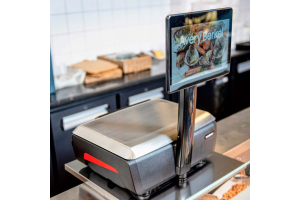
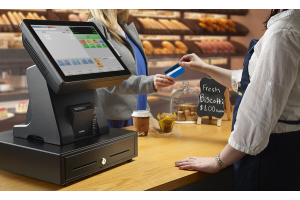
Traditional till systems are the classic, often bulky, hardware-based solutions that have been used by retailers and hospitality venues for decades. They store data locally on the machine or an in-house server.
Key Features of Traditional Tills
-
On-premise data storage
-
Limited software functionality
-
Requires manual updates
-
Minimal remote access
-
Hardware-dependent

Pros of Traditional Tills
-
Familiar interface for staff
-
No dependency on internet connection
-
High durability in some setups
Cons of Traditional Tills
-
High maintenance costs
-
Limited real-time reporting
-
Difficult to scale across multiple locations
-
Vulnerable to data loss without backups
What Is a Cloud POS System?
Overview
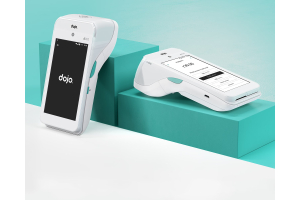
A cloud POS (or cloud-based EPOS) system operates over the internet. All your sales, inventory, staff, and analytics data are stored securely in the cloud, accessible from any internet-enabled device.
Key Features of Cloud POS
-
Real-time sales and inventory updates
-
Multi-site and multi-device access
-
Automated software updates
-
Integration with ecommerce, CRM, accounting tools
-
Accessible from anywhere
Pros of Cloud POS
-
Remote access and control
-
Scalable for multiple locations and devices
-
Detailed reporting and business insights
-
Lower upfront costs, faster deployment
-
Secure cloud backups
Cons of Cloud POS
-
Requires stable internet connection
-
Subscription-based pricing models
-
Staff training may be needed initially
Cloud POS vs Traditional Tills – Key Differences
| Feature | Cloud POS System | Traditional Till System |
|---|---|---|
| Data Storage | Cloud-based (remote) | On-premise (local server) |
| Access | Anywhere with internet | Only on-site |
| Software Updates | Automatic and frequent | Manual, less frequent |
| Integration Options | High (ecommerce, CRM, etc.) | Low to moderate |
| Scalability | Easily scalable | Limited scalability |
| Security | End-to-end encryption + backups | Local storage, higher risk |
| Cost Model | Subscription-based | High upfront cost |
Why Businesses Are Switching to Cloud POS in 2025
Real-Time Insights for Smarter Decisions
With cloud POS systems, managers get live dashboards, mobile access, and predictive analytics—all of which empower smarter, faster decisions.
Multi-Site Flexibility
Cloud systems are perfect for growing businesses, allowing seamless control over multiple branches from a central hub—ideal for hospitality, retail, and service industries.
AI-Driven Efficiency
AI-enhanced reporting and customer behaviour tracking enable you to predict stock needs, boost staff productivity, and personalise service like never before.
How South West Systems Can Help
At South West Systems, we’ve helped thousands of UK businesses modernise their operations with bespoke cloud EPOS and till solutions that maximise revenue and improve customer satisfaction.
Whether you're running a single boutique store or a national chain of restaurants, we offer:
-
Free expert consultations
-
Tailored EPOS packages
-
Full installation and training
-
Ongoing 7-day support
Call us now: 01392 275324
Email: info@southwestsystemsuk.com
Get in touch: www.southwestsystemsuk.com/contact